Crafting the Perfect Patty Melt: Bread, Cheese, and Onions
Few sandwiches command the same level of nostalgic affection and sheer deliciousness as the patty melt. It's more than just a meal; it's a culinary hug, a diner classic that transcends its humble origins to become a true comfort food icon. For many, including myself, the patty melt evokes memories of road trips, bustling diners, and the simple joy of a perfectly griddled sandwich. While it might appear straightforward, mastering the patty melt involves an artful balance of its core components: the bread, the cheese, and, of course, those wonderfully sweet caramelized onions. Ready to elevate your home cooking and create a show-stopping
The Ultimate Patty Melt Recipe: Diner Classic & Comfort Food? Let’s dive into what makes an exceptional patty melt, taking inspiration from classic techniques to refine your very own
patty melt recipe 2.
The Anatomy of a Classic: What Makes a Patty Melt Sing?
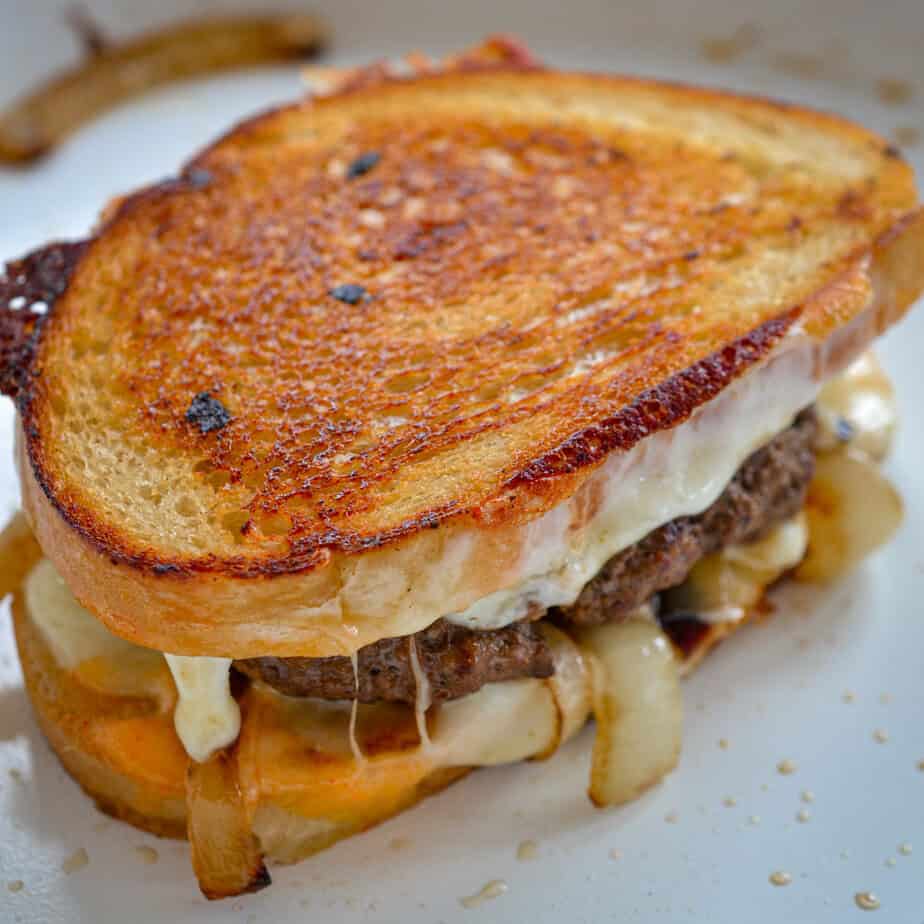
At its heart, a patty melt is a masterful fusion – a luscious cross between a hearty grilled cheese sandwich and a savory hamburger. It doesn't beg for attention; it simply arrives with buttery, toasted bread, rich melted cheese, and tender, sweet onions, demanding to be loved. This seamless blend of textures and flavors is precisely what elevates it from a mere sandwich to a diner legend. The magic lies in how the griddling process transforms each ingredient, creating a symphony of crispy, melty, and savory notes in every bite. It's a testament to simple ingredients coming together in perfect harmony, a concept we'll embrace fully as we refine our
patty melt recipe 2.
The Foundation: Choosing Your Bread Wisely
The bread in a patty melt isn't merely a vehicle; it's a foundational player, crucial for both structure and flavor. Traditionally, rye bread reigns supreme, and for good reason. Its distinctive tangy, slightly savory flavor profile offers a beautiful counterpoint to the richness of the beef and cheese. When griddled in butter, rye develops an incredible crispness on the exterior while remaining tender within, creating that satisfying crunch.
However, the world of patty melts is delightfully flexible. While rye is the classic choice, don't shy away from exploring other options if its unique flavor isn't to your taste:
*
Sourdough: Offers a similar tangy complexity to rye, with a robust crust that holds up well to grilling.
*
White or Wheat Sandwich Bread: While less traditional, these provide a softer, more neutral base, allowing the other ingredients to shine. They toast beautifully, achieving a golden, buttery exterior.
*
Pumpernickel: For those who love a deeper, darker, and slightly sweeter flavor, pumpernickel can add an intriguing twist.
Regardless of your choice, the key is to select a sturdy sliced bread that can withstand the griddling process without becoming soggy. And remember, generous buttering (or mayonnaise for an even crispier crust!) of the exterior slices is non-negotiable for achieving that coveted golden-brown, crispy perfection.
The Heart of the Melt: Beef Patty Perfection
The beef patty is, quite literally, the heart of your patty melt. While some modern takes might lean towards a smash burger style, the traditional patty melt often features a slightly thicker, juicier patty that holds its form.
*
Choosing Your Ground Beef: Opt for ground beef with an 80/20 lean-to-fat ratio. The fat content is crucial for a juicy, flavorful patty that doesn't dry out on the griddle.
*
Patty Formation: Aim for patties that are about 1/3 to 1/2 inch thick and slightly wider than your bread slices. This ensures that the patty cooks evenly and extends to the edges of your sandwich, providing meat in every bite. Season generously with salt and freshly cracked black pepper just before cooking. Avoid overworking the meat, as this can lead to a tough patty.
*
Cooking the Patty: A hot griddle or cast-iron skillet is your best friend here. Cook the patties until a beautiful brown crust forms on one side, then flip. For a medium-rare patty, this typically takes about 3-4 minutes per side. The goal is a well-seared exterior and a juicy interior.
Layers of Flavor: Melty Cheese and Sweet Caramelized Onions
These two components are the soul of the patty melt, providing the creamy texture and sweet-savory depth that define the experience.
Melty Cheese Magic
Swiss cheese is the time-honored choice for a classic patty melt, offering a nutty, slightly sweet flavor and excellent meltability. However, the "best" cheese is truly what delights your palate and melts well:
*
Swiss: The traditional choice, providing a distinctive flavor.
*
Cheddar: From mild to sharp, cheddar adds a familiar tang and rich color.
*
Provolone: A great choice for a milder, creamier melt with a slight Italian inflection.
*
Monterey Jack or Pepper Jack: Offers a buttery melt; pepper jack adds a welcome kick of spice.
*
American: Don't discount it! For ultimate meltiness and classic diner vibes, American cheese delivers every time.
The key is to use a cheese that melts smoothly and envelops the patty, creating that signature gooey interior. Don't be afraid to mix and match slices for a more complex flavor profile!
The Art of Caramelized Onions
You cannot have a proper patty melt without perfectly caramelized onions. These aren't just cooked onions; they are transformed onions – sweet, deeply flavorful, and tender, offering a crucial counterpoint to the savory beef and tangy bread.
*
The Process: Slice one or two large yellow or sweet onions thinly. Heat a tablespoon or two of butter or olive oil (or a mix) in a heavy-bottomed pan over medium-low heat. Add the onions and cook, stirring frequently, for at least 20-30 minutes, or even up to an hour. Patience is vital here. You're looking for a deep golden-brown color and a soft, jam-like texture, not just translucent or lightly browned. This slow cooking allows their natural sugars to develop and intensify.
*
Flavor Enhancers: A pinch of salt will help draw out moisture, aiding in caramelization. A splash of water or broth if they start to stick, or a tiny amount of sugar towards the end, can also help achieve that deep, rich color and sweetness.
Assembling Your Masterpiece: The Patty Melt Recipe 2.0
With your components ready, it's time to bring them together in the ultimate
patty melt recipe 2.
1.
Griddle the Bread: Butter the outside of two slices of your chosen bread. Place one slice, butter-side down, on a medium-hot griddle or large skillet.
2.
Layer Up: Immediately top the bread with a slice of your chosen cheese.
3.
Add the Patty and Onions: Place a cooked beef patty on top of the cheese, then generously pile on a portion of your caramelized onions.
4.
More Cheese! Top the onions with another slice of cheese. This double layer ensures maximum meltiness.
5.
Close the Sandwich: Place the second slice of buttered bread on top, butter-side up.
6.
Griddle to Golden Perfection: Cook for 3-5 minutes per side, pressing gently with a spatula, until the bread is golden brown and crispy, and the cheese is fully melted and ooey-gooey. Adjust heat as needed to prevent burning.
Serve immediately, perhaps with a side of crispy fries or a classic diner pickle. Some enthusiasts even add a special sauce – a mix of mayonnaise, ketchup, relish, and a dash of hot sauce – for an extra layer of flavor.
Patty Melt vs. Burger: Decoding the Diner Icons
While both are beefy, cheesy, and delicious, a patty melt is distinctly different from a traditional burger. Understanding these differences helps appreciate the unique charm of each. For a deeper dive, check out our article
Patty Melt vs. Burger: What Makes This Diner Icon Unique?
*
Bread Choice: Burgers traditionally use soft, pillowy hamburger buns. Patty melts, however, are made with sturdy, sliced bread (like rye), which gets griddled to a buttery crisp.
*
Cooking Method: A patty melt is essentially a grilled sandwich. The entire assembly (bread, patty, cheese) is griddled together until the bread is toasted and the cheese is melted. Burgers typically have the patty cooked separately and then assembled into a bun.
*
Onions: Caramelized onions are a signature, non-negotiable ingredient for a patty melt, cooked directly into the sandwich. While burgers can have onions, they are often raw or quickly sautéed.
*
The Vibe: A patty melt offers a cozy, melty, and utterly comforting experience – a true cross-breed. A burger can be more about the crispy edges, fresh toppings, and the classic bun-and-patty dynamic.
In conclusion, the patty melt is a testament to the power of simple ingredients, thoughtfully prepared and perfectly combined. By focusing on quality components – the right bread, a juicy patty, expertly caramelized onions, and wonderfully melty cheese – you can easily craft a diner-worthy masterpiece in your own kitchen. Whether you're reliving childhood memories or discovering this classic for the first time, perfecting your
patty melt recipe 2 promises a truly satisfying and utterly delicious experience.